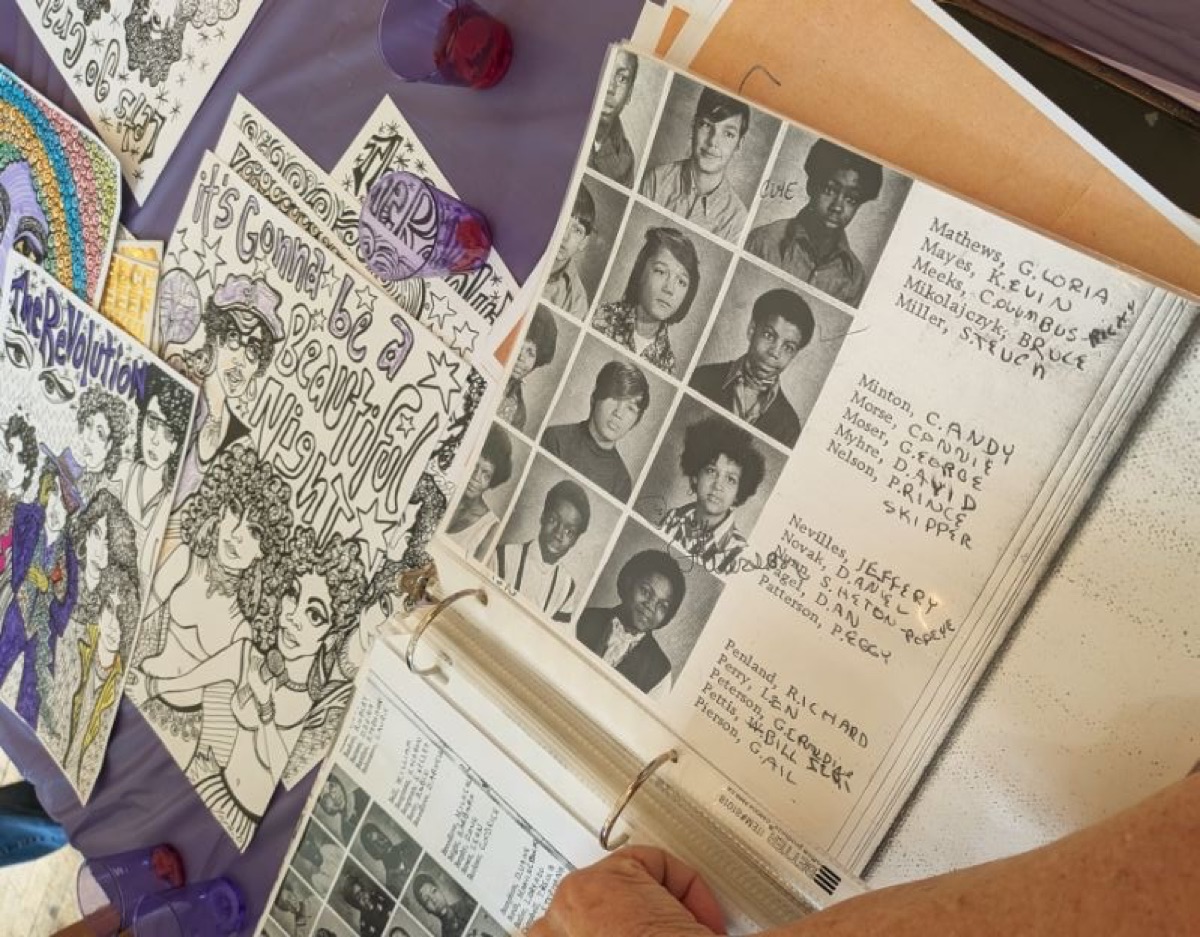
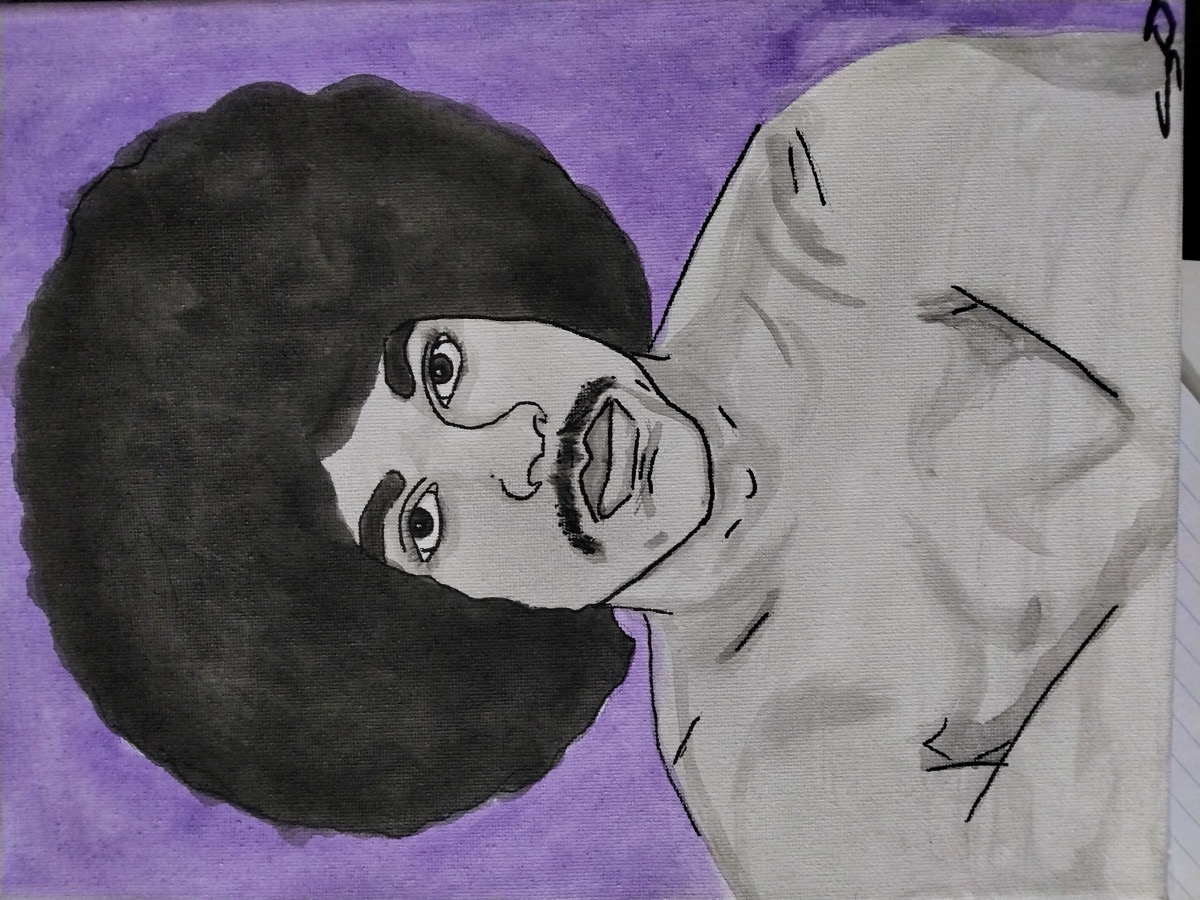
Troy Gua
Seattle, WA
Le Petit Prince- North Minneapolis series
Scenes from Prince’s North Minneapolis childhood
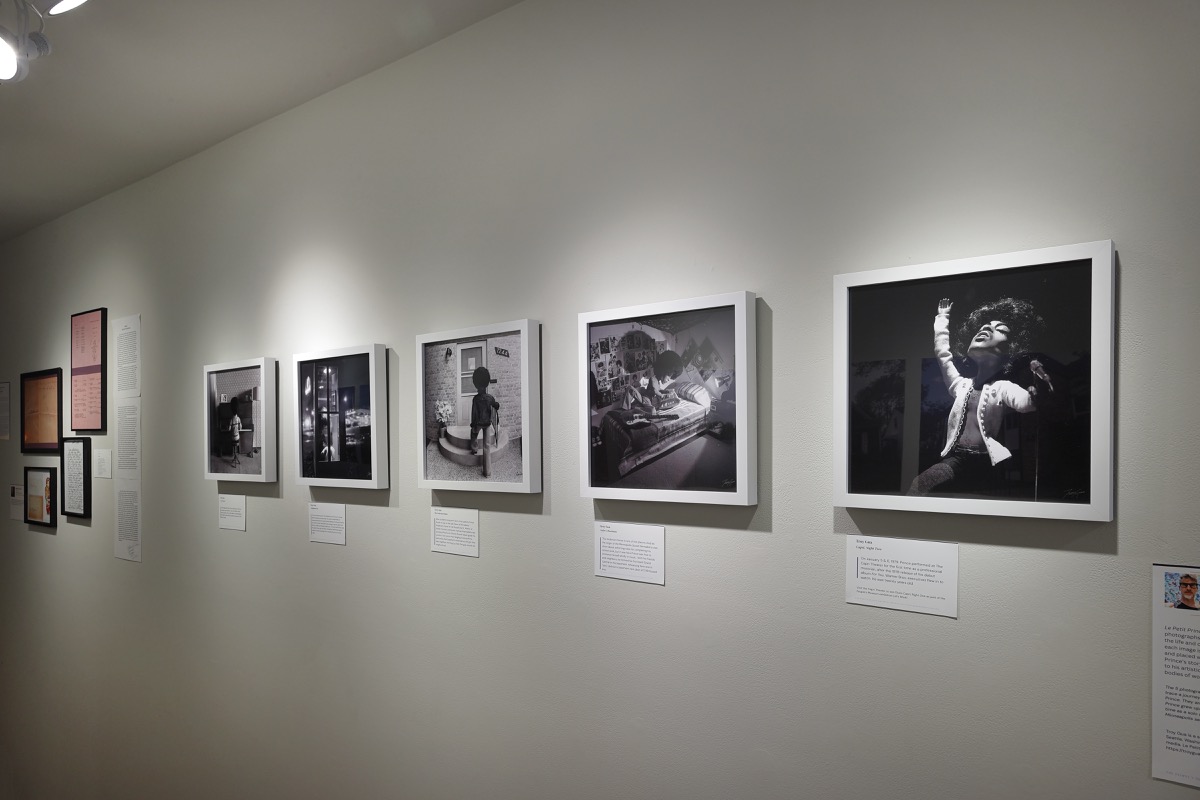
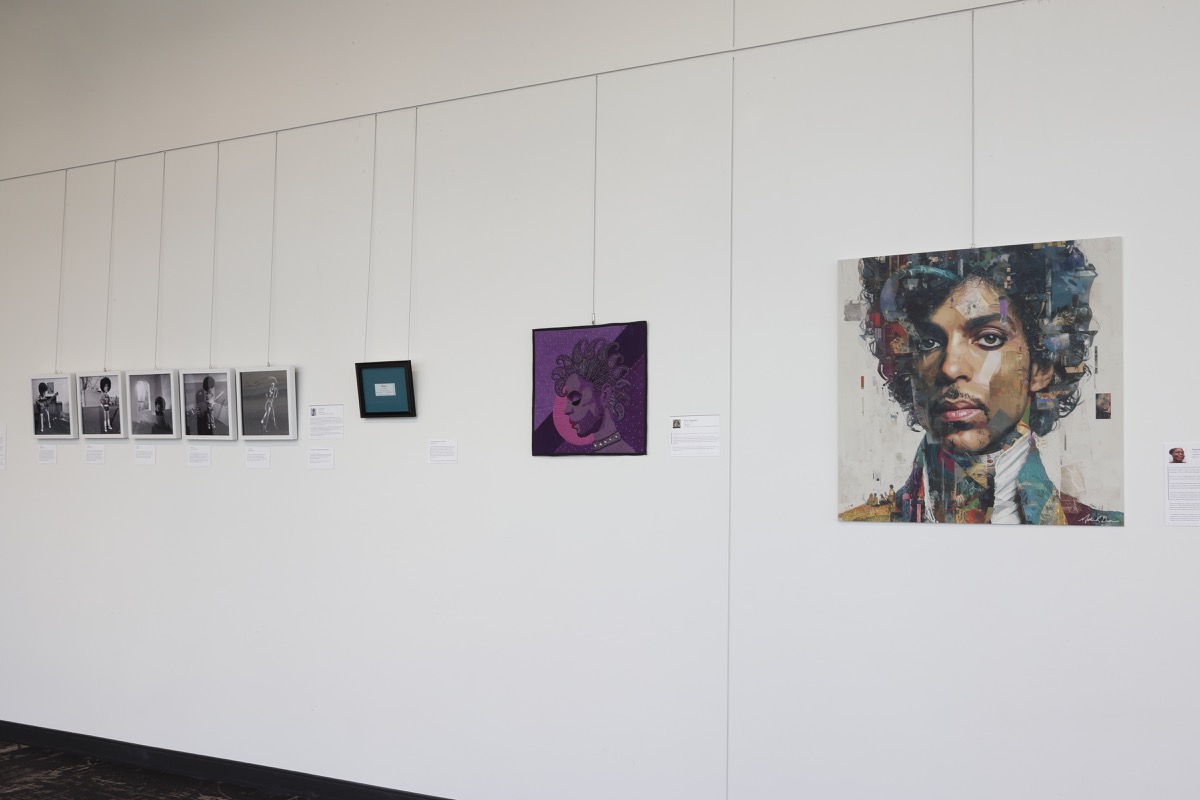
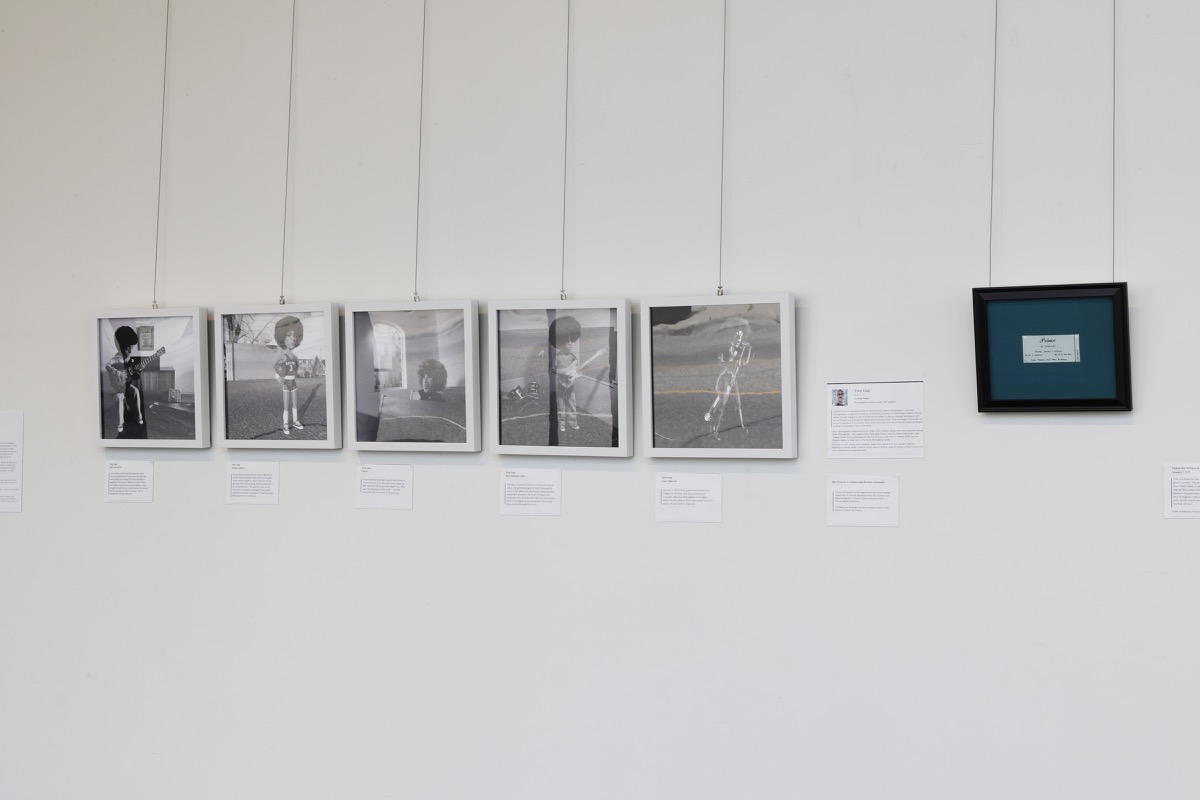
A series of 10 works celebrating Prince Rogers Nelson’s roots in North Minneapolis, drawn from Troy Gua’s monumental and beloved Le Petit Prince series. Gua’s decades-spanning work of devotion uses sculpture and photography to recreate, in meticulous, lovingly-rendered miniature, iconic scenes from Prince’s life and work.
For the 2026 edition of the People’s Museum, this series was presented across two North Minneapolis venues with deep roots in Prince's history: Roberts Gallery, on Bernadette Anderson Way, with a full view onto the house Prince lived in as a teen; and the Capri Theater, site of Prince's first professional concert in January 1979, where Gua's scenes were displayed alongside an original ticket from that night
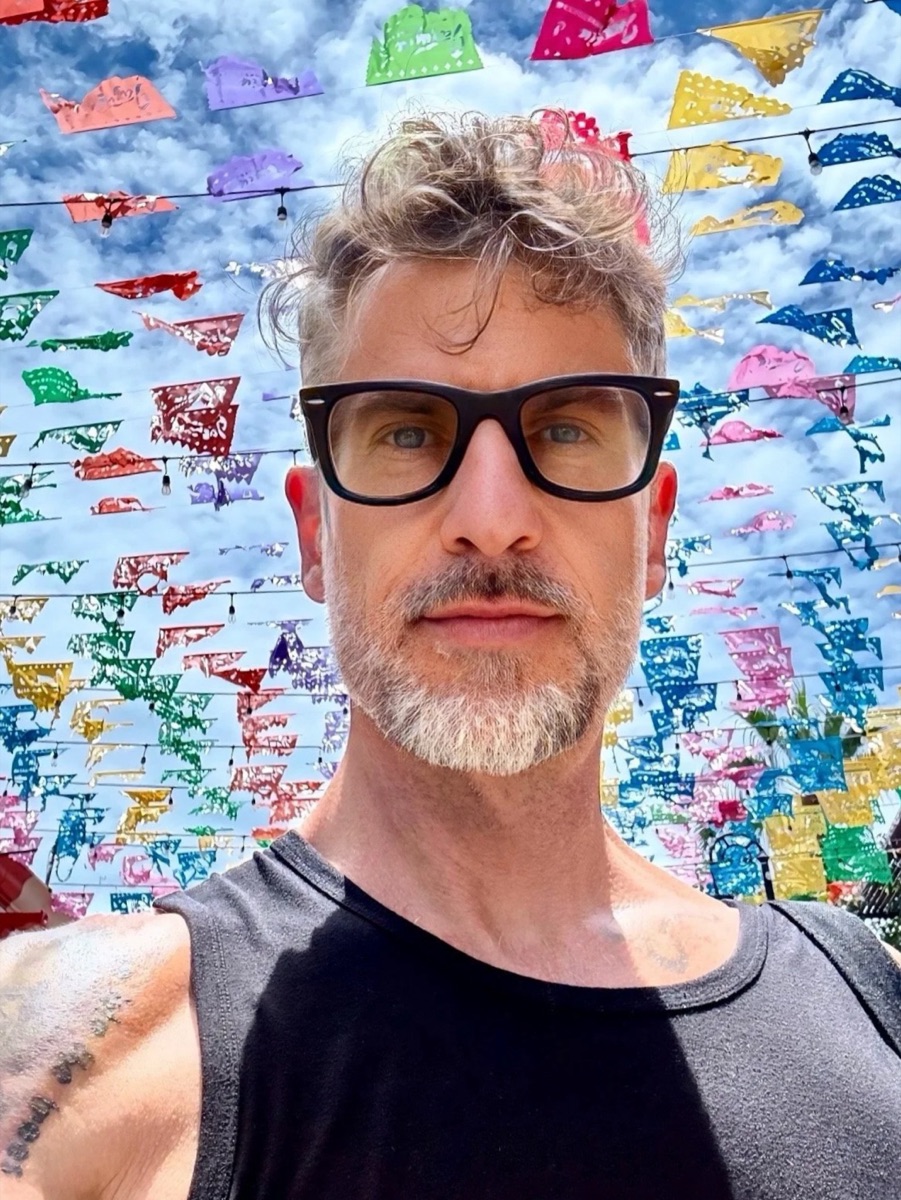
Troy Gua is a Seattle-based artist. His Le Petit Prince series has moved people around the world, bridging fan devotion and fine art photography through deep care for Prince's story and the places that shaped him.
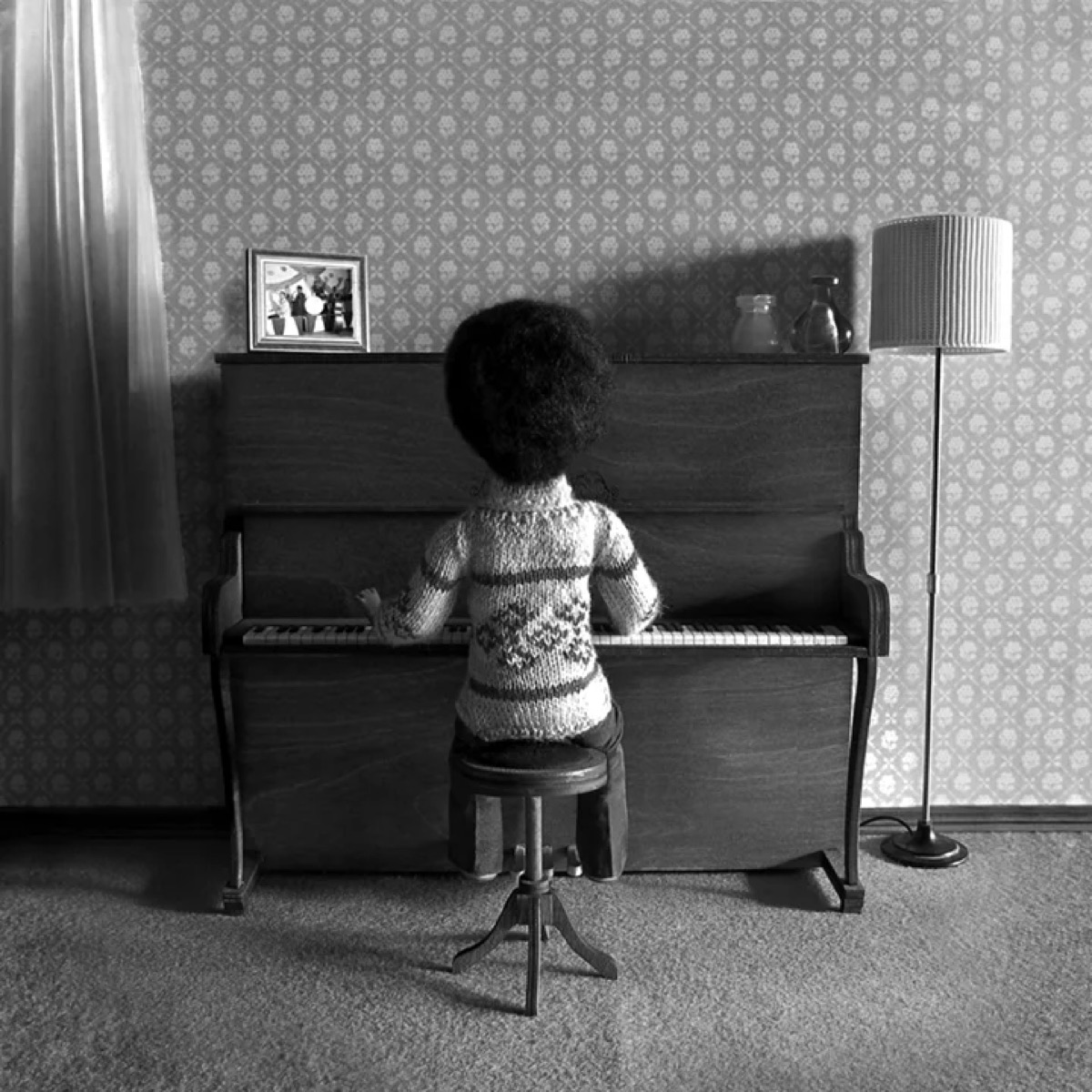
Dad's Piano
In The Beautiful Ones, Prince reflected on the first sounds he remembers — that of his father's fluid piano playing. Prince only dared to start playing his father's piano after his father moved out of the family home.
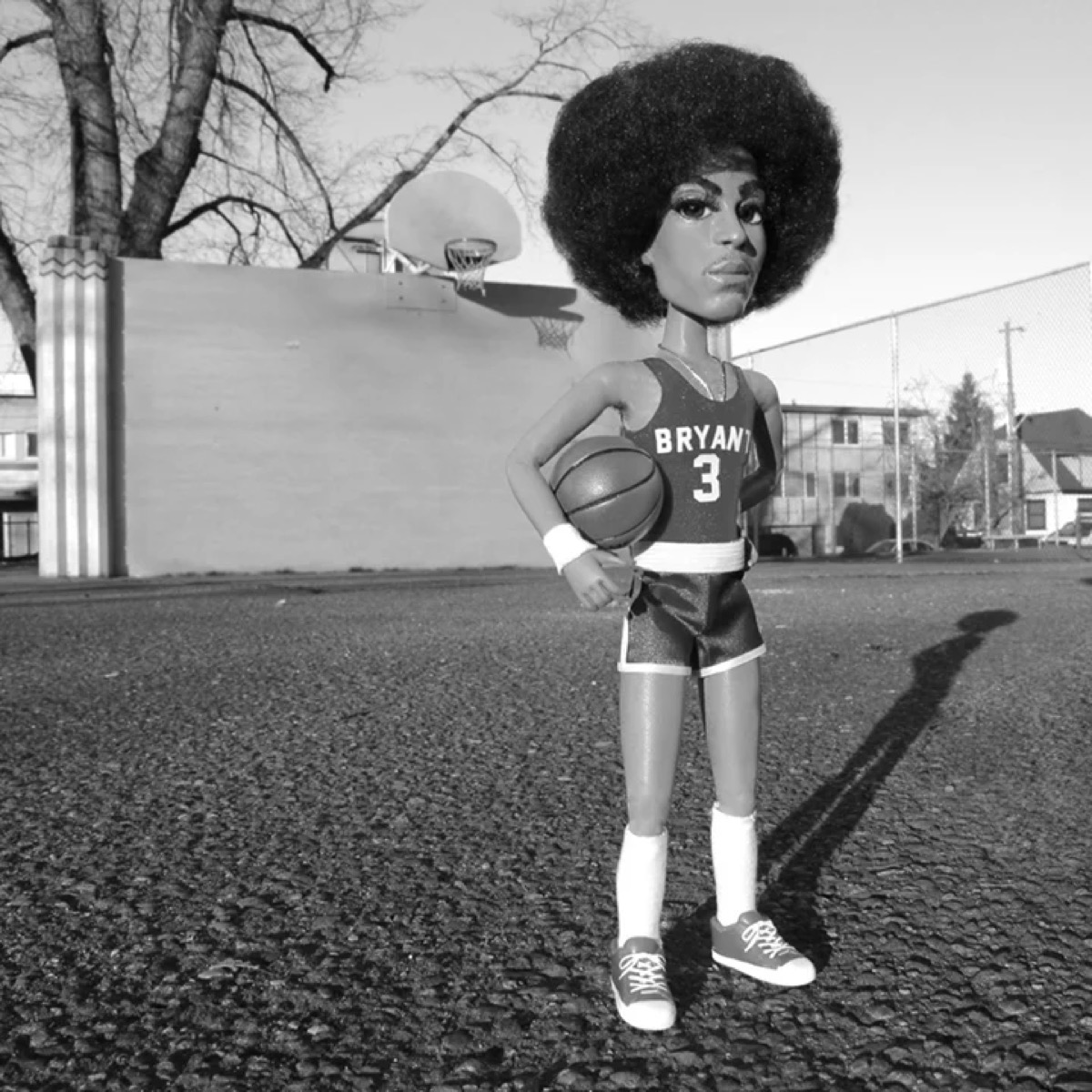
Bryant, Number 3
Prince chose to attend Bryant Junior High School on the city's Southside, drawn there by the great music classes taught by Jimmy Hamilton and to get away from the Northside, which he said had "2 much testosterone." The school's music rooms were one of the places a teenage Prince quietly became a musician. His passion for basketball was lifelong and much celebrated.
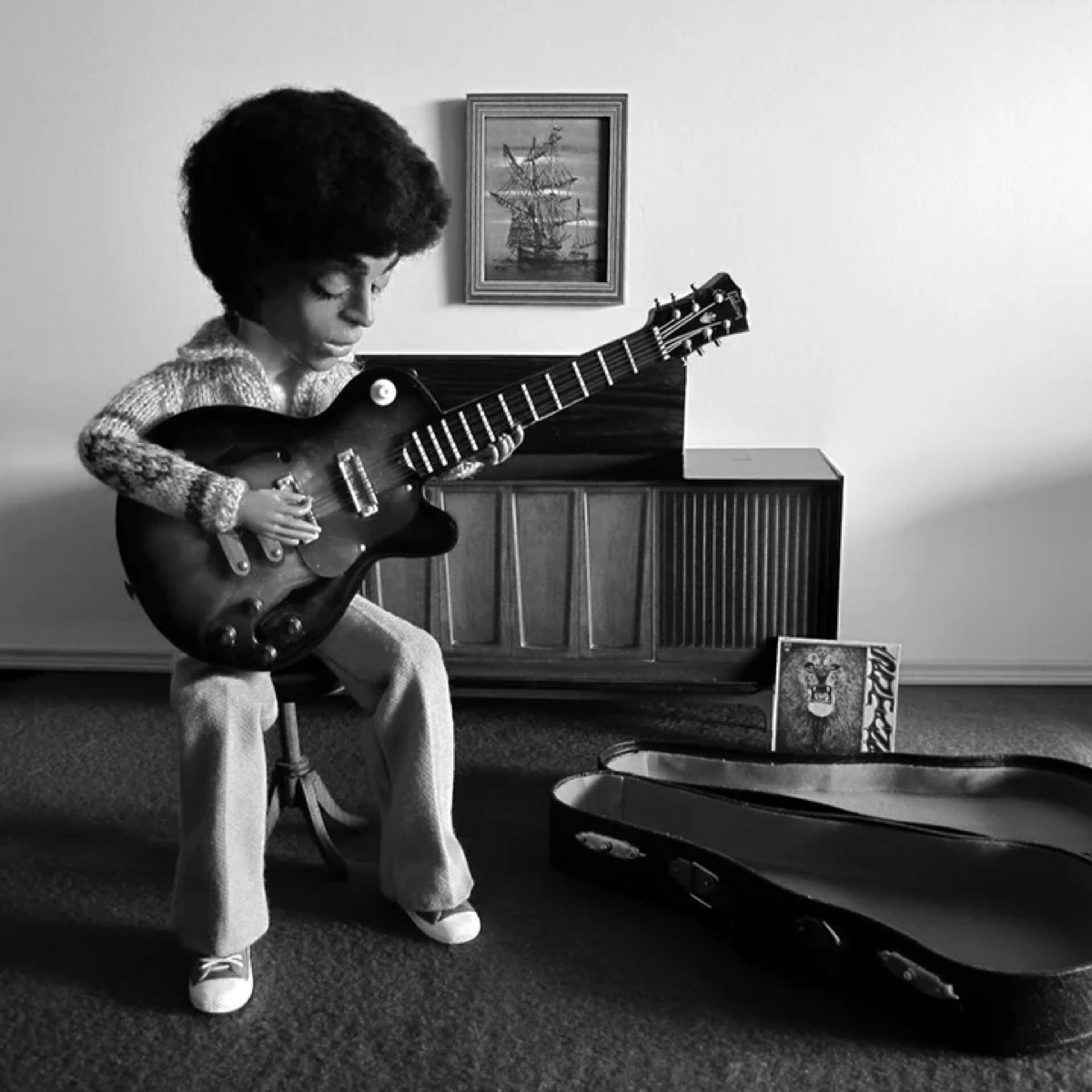
Dad's Apartment
John Nelson moved into this apartment after divorcing Mattie, and Prince joined him after the two bonded over seeing the movie Woodstock together. Prince saw his father as a man of faith and deeply respected his musical abilities. John bought his talented son a guitar during this period, since it was easy for him to transport. Prince mastered it shortly thereafter.
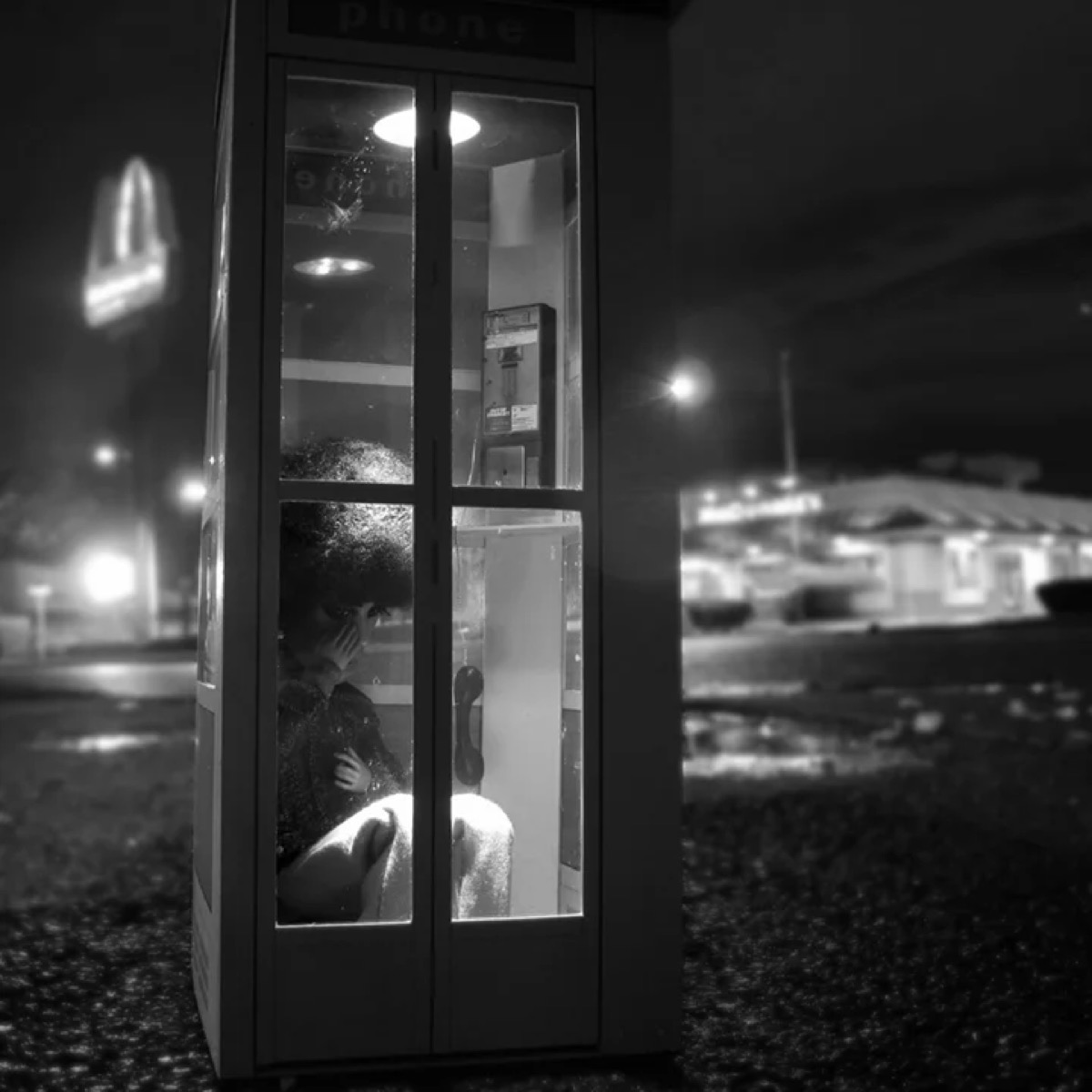
Telephone Box
Prince moved around in his childhood, from house to house with his family, and then after his parents separated, he bounced between his parents and relatives. He found it hard to live with his new stepfather, but moving in with his dad soon led to conflict and being kicked out. In a story both Prince and his sister Tyka told, his father refused to take Prince back in when he called pleading from a lonely phone box one late night. Curator's note: This artwork inspired another in the People's Museum 2026. See In Response below.
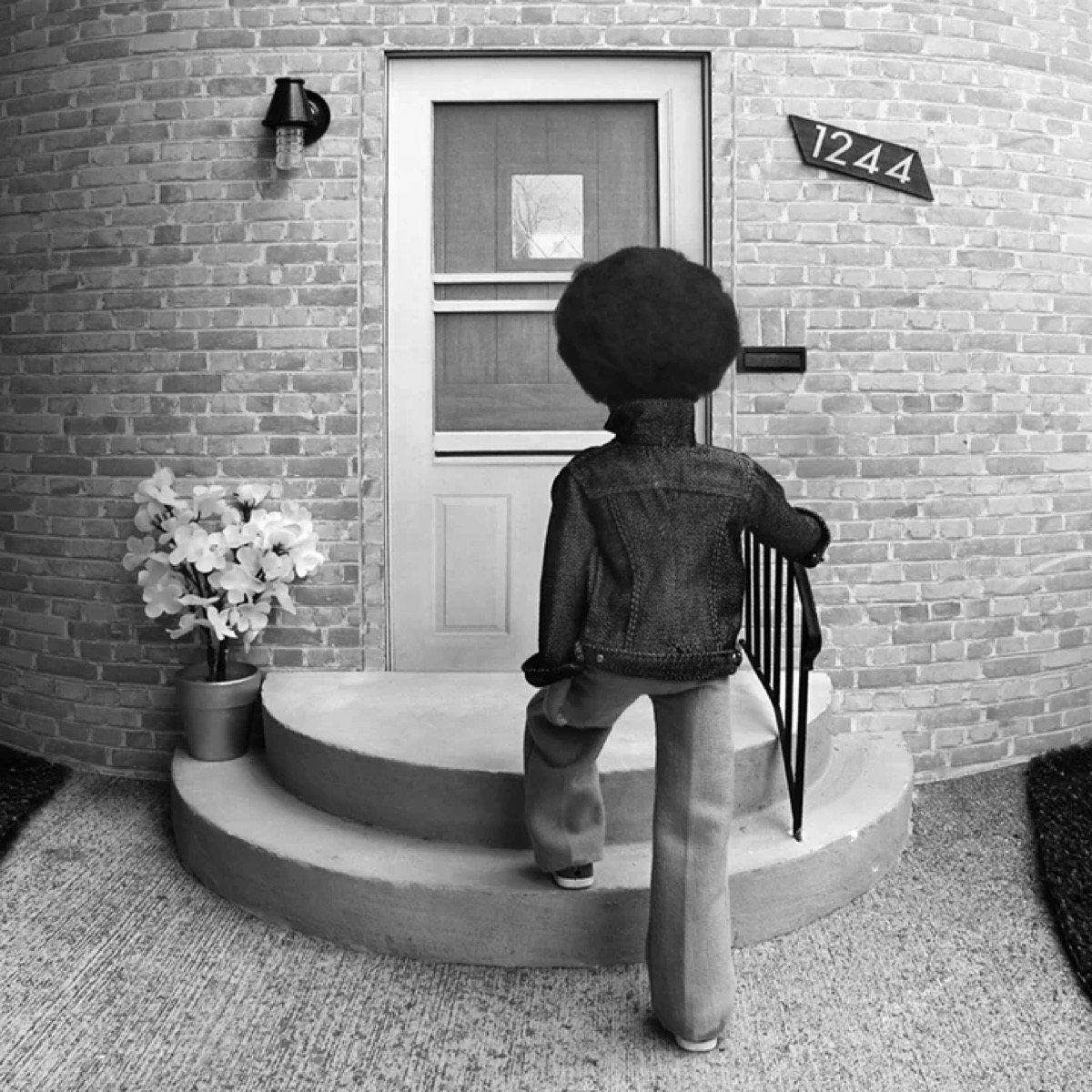
The Anderson House
After problems living with each of his parents, Prince found his way to the safe haven of Bernadette Anderson's home at 1244 Russell Ave N. Mother of André Cymone, community matriarch Bernadette was a strong influence in Prince's life and helped guide the youths in her care in their fledgling musical efforts, welcoming their basement rehearsals as they got their band together, and lining up their first gigs around the neighbourhood.
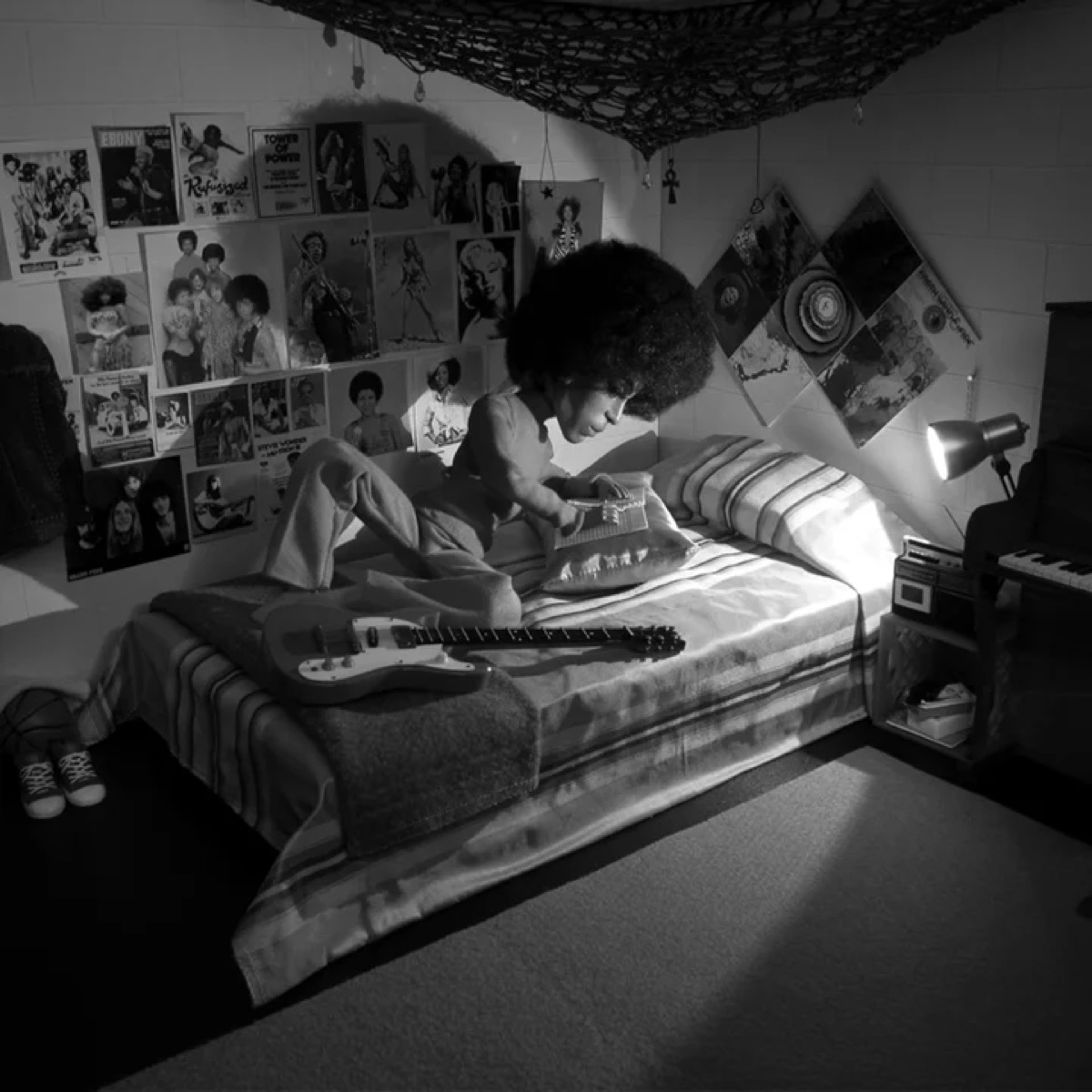
Andre's Basement
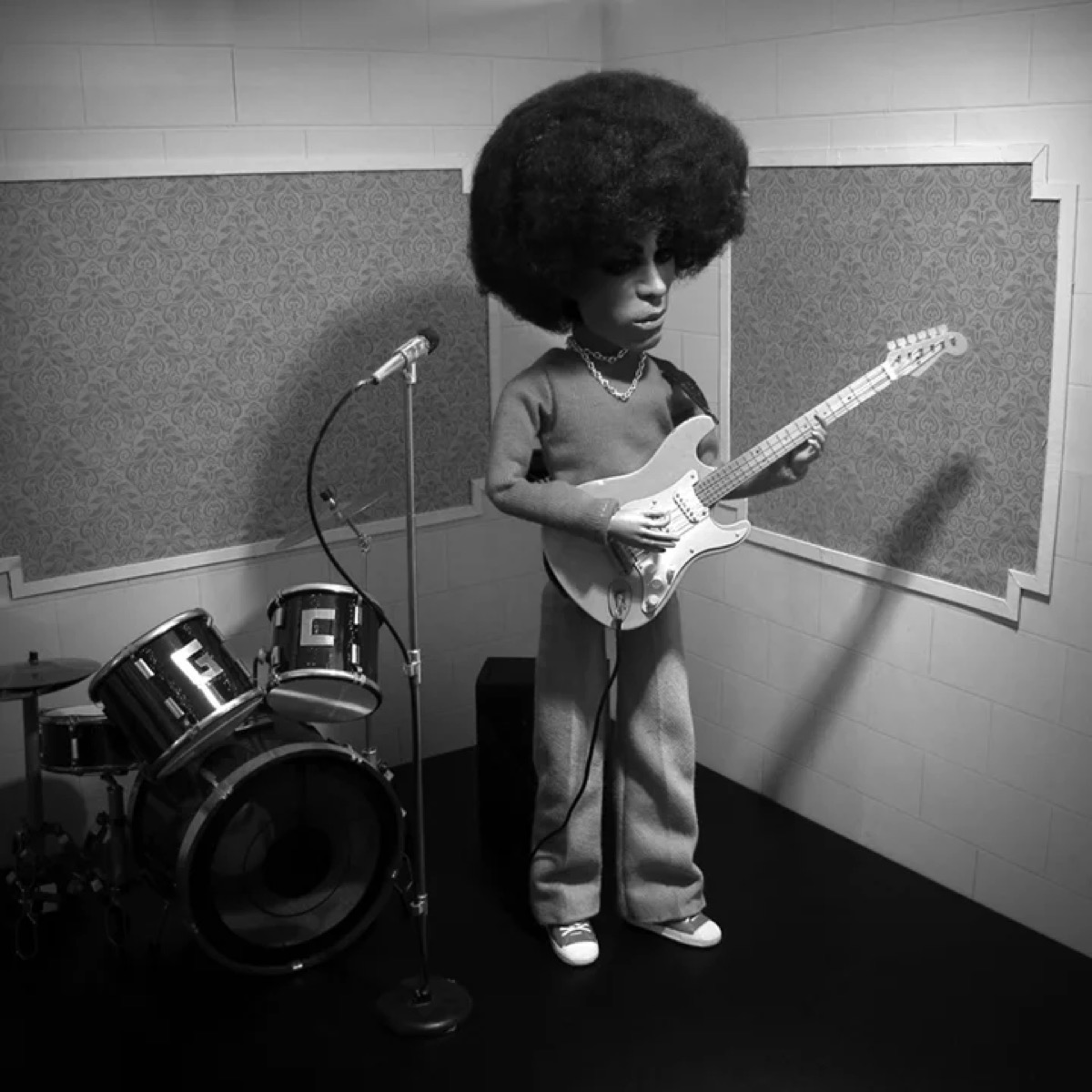
The Anderson house is one of the places cited as the origin of the Minneapolis Sound. Bernadette was strict about enforcing rules for completing his school work, but it was here Prince was free to immerse himself wholly in music. With his friends and neighbours, he formed his first band Grand Central in the basement, rehearsing here and in Terry Jackson's basement next door at 1248 Russell Ave.
The Community Center
The Way Community Center on Plymouth Avenue was a vital gathering place for North Minneapolis youth in the 1960s and 70s. Prince, André, and their bandmates absorbed the music of older local musicians here, jammed, and tried out instruments — part of the neighbourhood ecosystem that would become the Minneapolis Sound.
Church
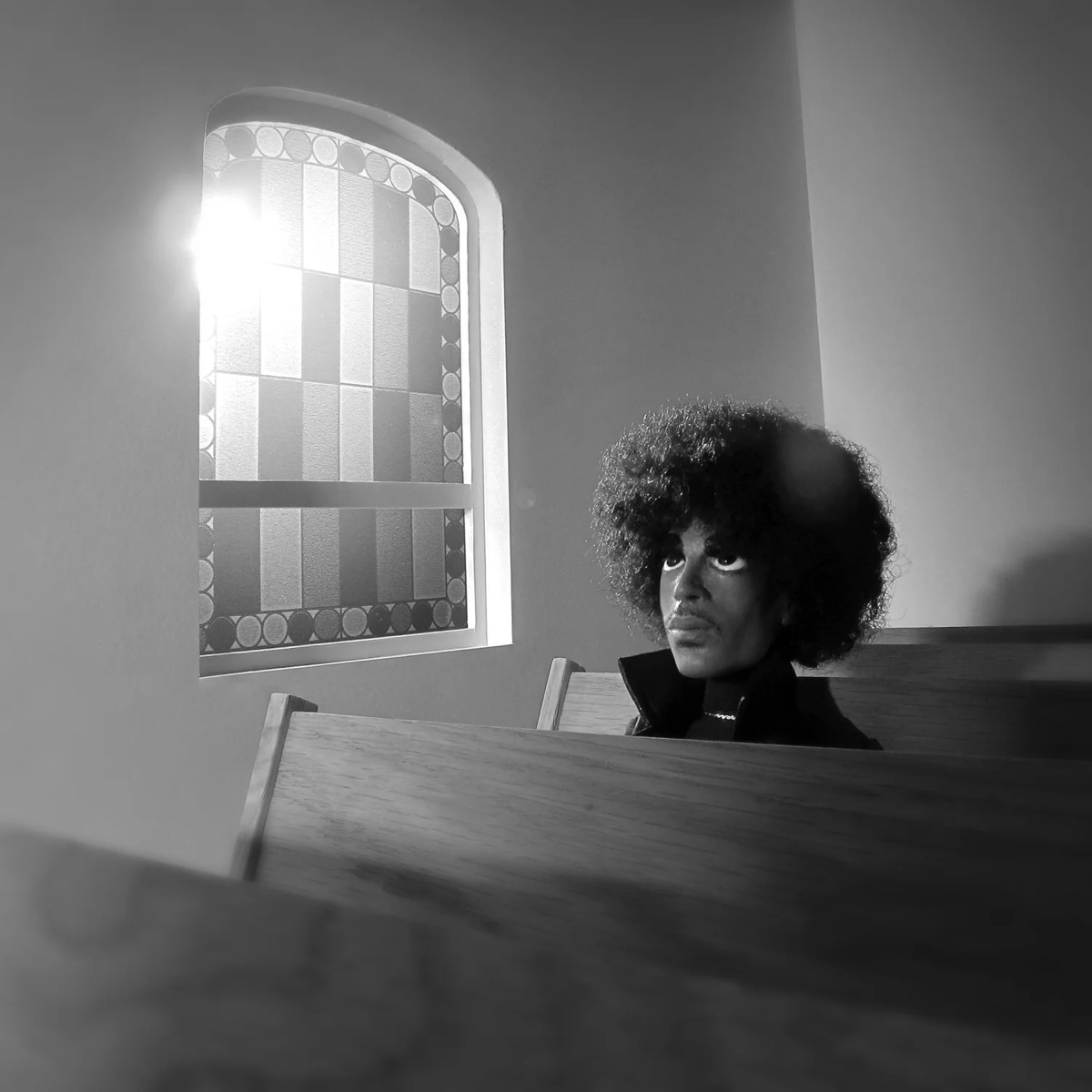
Prince attended Glendale Seventh-day Adventist Church with his Aunt Mary and cousin Chazz. He later said the most he got from religion as a child was "the experience of the choir" — his first encounter with communal voice and song.
Capri, Night One
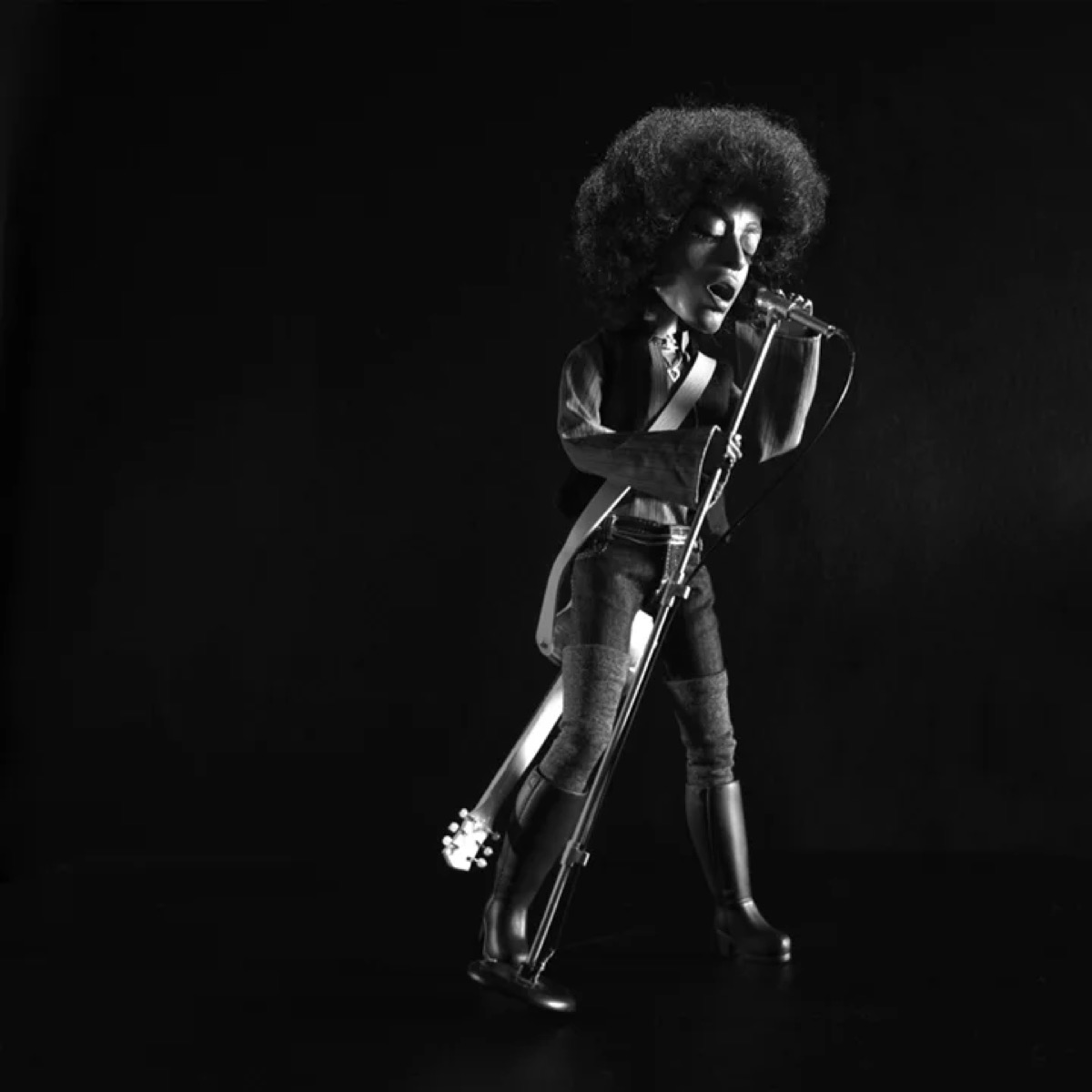
January 5, 1979. Prince performed here at this theater for the first time as a professional musician, after the 1978 release of his debut album For You. Warner Bros. executives flew in to watch. He was twenty years old.
Capri, Night Two
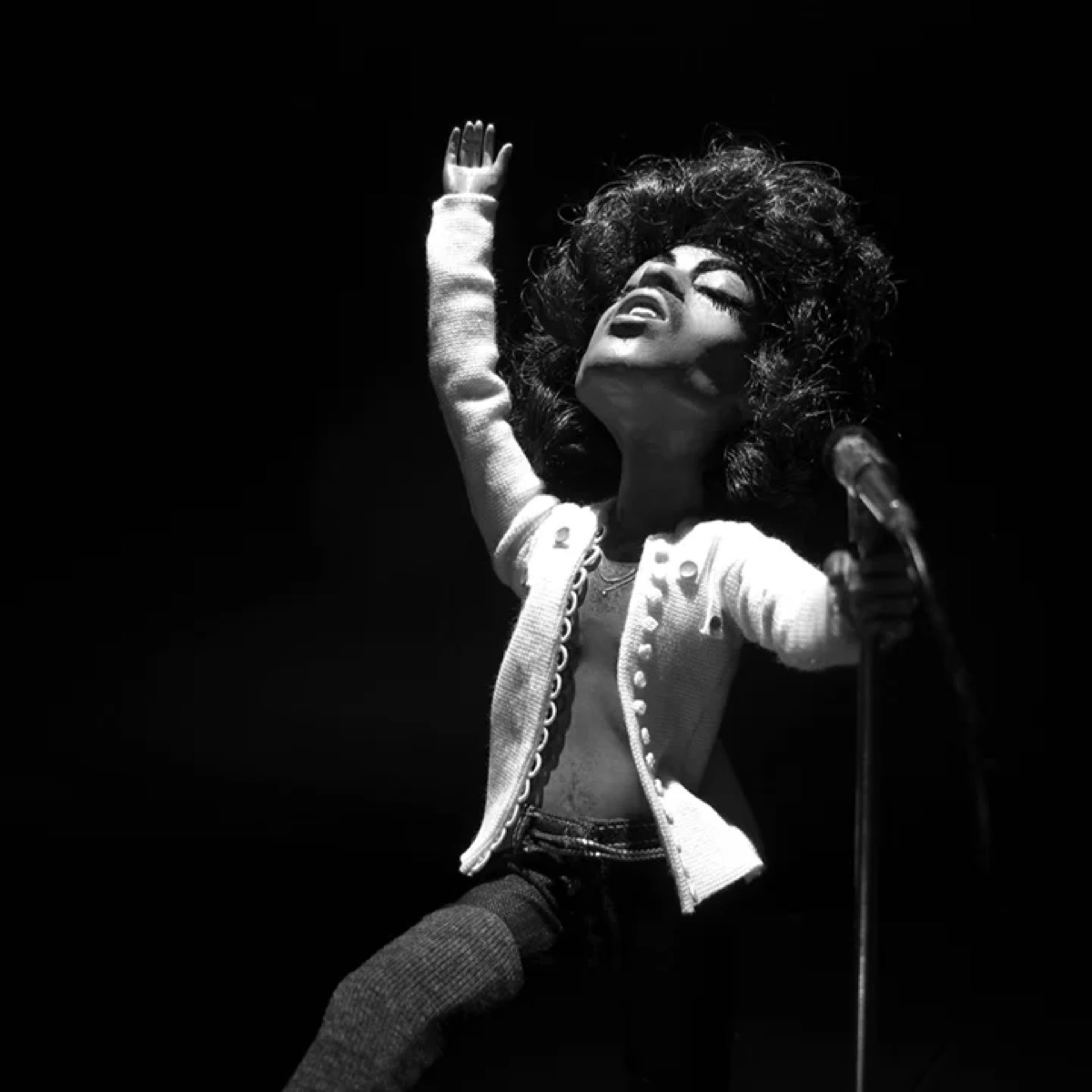
On January 5 & 6, 1979, Prince performed at The Capri Theater for the first time as a professional musician, after the 1978 release of his debut album For You. Warner Bros. executives flew in to watch. He was twenty years old.
At the Museum — Roberts Gallery & the Capri
In Response
Minneapolis artist Kami Ink created a painting The Dropped Call (2026) after encountering Troy Gua's Le Petit Prince series at the People's Museum in June 2026. Kami Ink and curator E.C.Balázs shared the story in a community gathering on the museum's closing day. The session explored Prince and spirituality with theologian
Pamela Ayo Yetunde.
View The Dropped Call and read Kami Ink's story.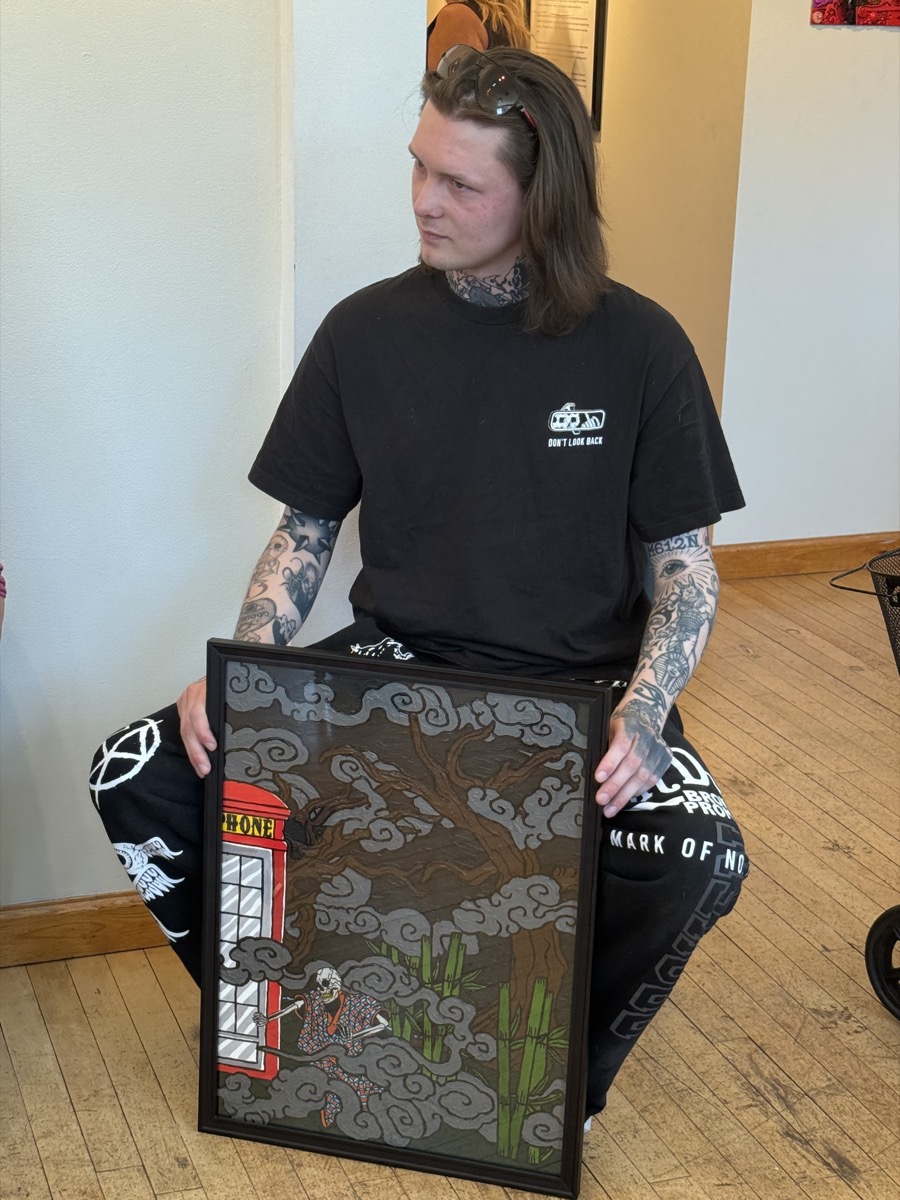
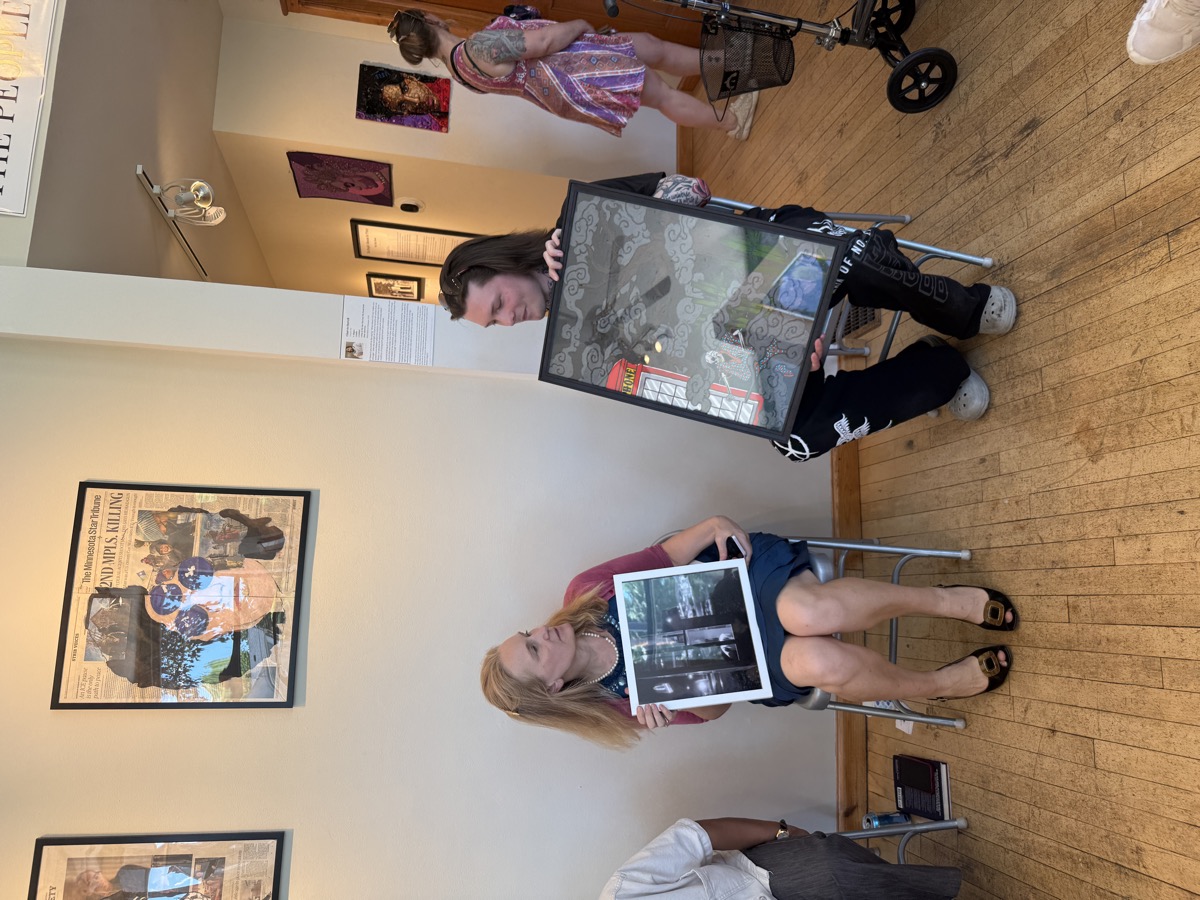
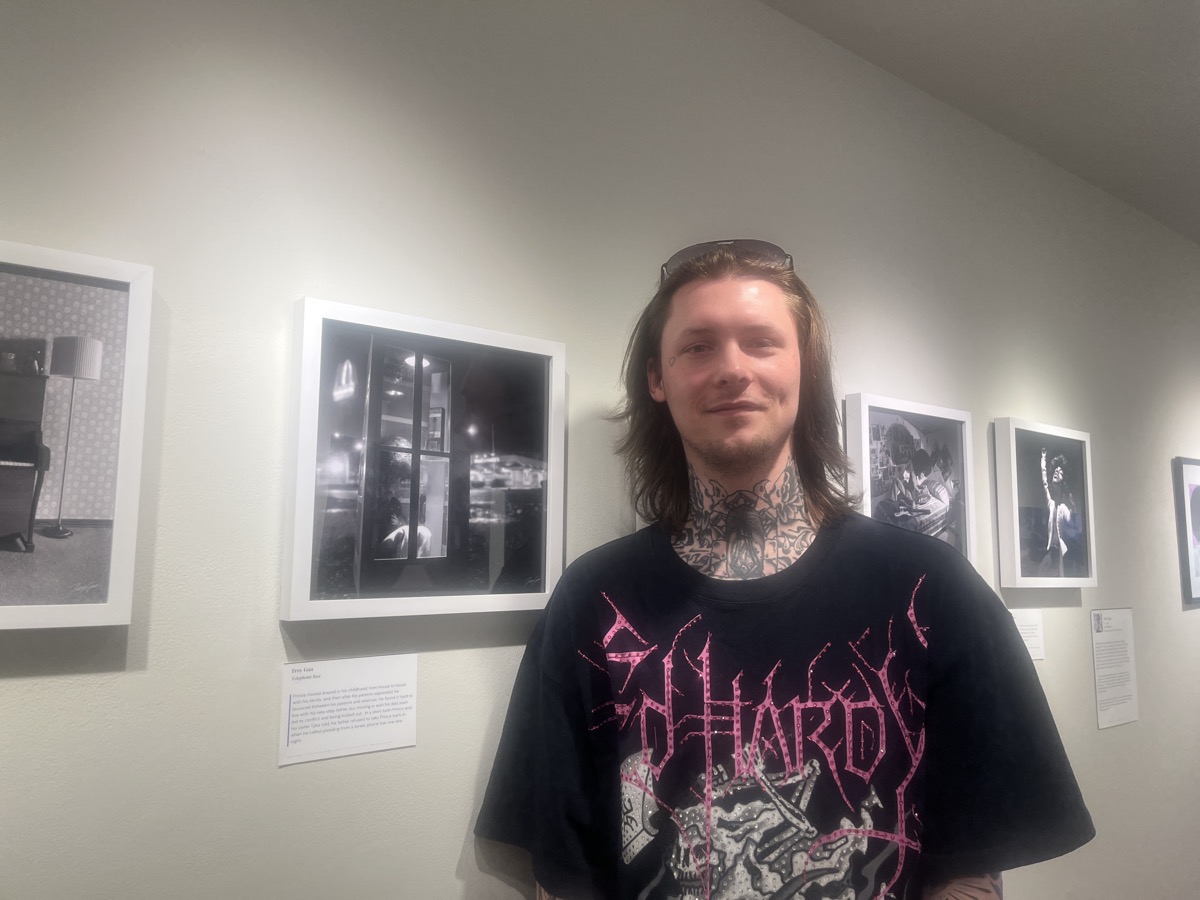
Photo credits
- Artwork images courtesy of the contributors. All rights reserved.
- Installation: Dan Pratt
- Event: Jill Boogren
Explore more of Le Petit Prince — troygua.com